- How to Identify Early Signs of Malnutrition in Your Child
- What are the Key Nutrients Your Child Needs for Healthy Growth?
- What Role Does Hydration Play in Your Child’s Nutrition?
- Empowering You, Empowering Them
Imagine a world where every child has the chance to grow strong and healthy. It’s a beautiful picture, right? But sadly, malnutrition casts a long shadow, especially in vulnerable communities. You and I know that little tummies need good food to grow into big, strong kids. And guess who’s often the superhero in this story? That’s right, moms! You have the power to make a real difference, starting right in your own kitchen.

We’re going to talk about how you, as a mother, can be the first line of defense against malnutrition. You’re not just feeding your kids; you’re building their future, one meal at a time. Let’s dive in and learn how to make that happen!
How to Identify Early Signs of Malnutrition in Your Child
Sometimes, our little ones can’t tell us when they’re not feeling their best. That’s why it’s super important to know the early signs of malnutrition. Think of yourself as a detective, looking for clues!
First, keep an eye on their growth. Are they growing at a steady pace? If they seem to be falling behind, it could be a sign. Also, watch their energy levels. Are they always tired, even after a good night’s sleep? That’s another clue.
Here are some other signs to look out for:
- Skin and Hair Changes: Dry skin, hair that’s thin or falls out easily, and pale skin can all be signs.
- Swollen Belly: Sometimes, a swollen belly can mean they’re not getting enough nutrients.
- Frequent Infections: If your child seems to be catching every bug going around, their immune system might be weak from poor nutrition.
- Changes in Behavior: Are they cranky or irritable more than usual? Sometimes, that can be linked to not getting enough food.
- Loss of Appetite: If your child is not wanting to eat, this is a very important sign to notice.
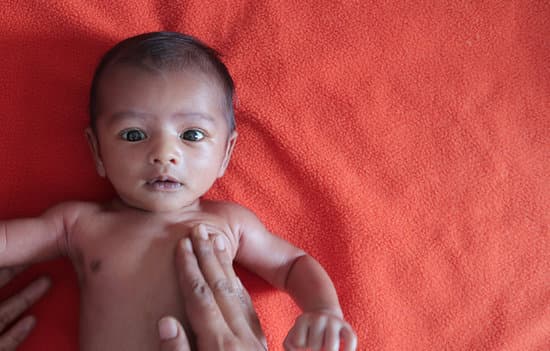
You know your child best. If you notice any of these signs, don’t hesitate to talk to a doctor or healthcare professional. They can help you figure out what’s going on and get your child back on track.
Unicef has worked on making strides in helping parents/caregivers identify malnutrition early in children and sharing their stories of hope and success.
What are the Key Nutrients Your Child Needs for Healthy Growth?
Think of nutrients as the building blocks for your child’s body. Just like a house needs strong bricks, your child needs the right nutrients to grow strong and healthy. Let’s talk about some of the most important ones:
- Protein: This is like the construction crew for your child’s body. It helps build muscles, bones, and everything in between. You can find protein in foods like meat, beans, eggs, and dairy.
- Vitamins and Minerals: These are like the little helpers that keep everything running smoothly. Vitamin A helps with eyesight, Vitamin C boosts the immune system, and iron helps carry oxygen in the blood. You can find them in fruits, vegetables, and fortified foods.
- Carbohydrates: These are like the fuel for your child’s energy. They help them run, jump, and play all day long. Good sources include whole grains, rice, and potatoes.
- Healthy Fats: These are important for brain development and help your child absorb vitamins. You can find them in avocados, nuts, and fish.
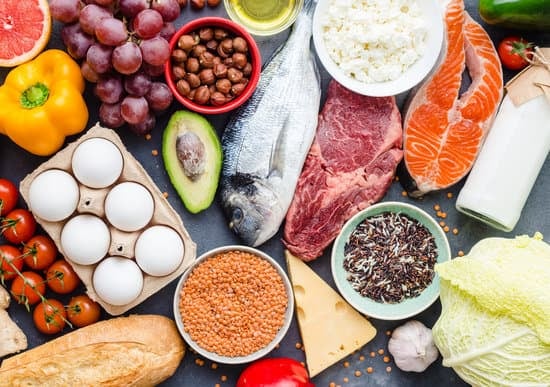
Want an easy break down? Here you go:
| Nutrient | Role in Health and Development | Sources |
| Protein | Vital for building cells, muscle development, and immune function. | Lean meats, fish, eggs, legumes, dairy. |
| Calcium | Important for developing strong bones and teeth, crucial during growth spurts. | Dairy products, leafy greens, fortified foods. |
| Iron | Essential for healthy blood and cognitive functions, preventing anemia. | Red meat, beans, spinach, fortified cereals. |
| Vitamins A & C | Critical for immune function, skin health, and overall growth. | Fruits, vegetables, dairy, and fortified foods. |
| Healthy Fats | Support brain development and essential fatty acid needs for energy. | Avocados, nuts, seeds, and fish. |
https://www.pedistat.com/blog/the-role-of-nutrition-in-preventing-pediatric-illnesses
Making sure your child gets a variety of these nutrients is key. Try to include foods from all the food groups in their meals. And remember, you don’t have to be a fancy chef! Simple, homemade meals can be just as nutritious.
There is a big concern for parents when they feel like their children are not eating enough or only interested in the “bad foods”. Children will be children; help them build positive associations with food. Let them see you eating and enjoying the foods you are encouraging them to eat. Find ways to encourage them to join you that will allow them to see that “it’s not so bad, is it?” In my experience, this has proven to be very successful. Additionally, do not try and force the children to eat; they will eat when they are hungry. It is important to make sure food does not feel like a chore so they do not associate it with a negative connotation.
What Role Does Hydration Play in Your Child’s Nutrition?

You know how important water is for you? Well, it’s just as important for your child. Water helps their bodies do all sorts of important things, like carrying nutrients, getting rid of waste, and keeping them cool.
When kids get dehydrated, they can feel tired, cranky, and even get headaches. So, how much water do they need? It depends on their age and activity level, but here are some general guidelines:
- Offer water throughout the day, especially when it’s hot or they’re playing.
- Make water fun! You can add slices of fruit or cucumber to make it more appealing.
- From personal experience, the more colorful, the more “fun” it is and the more likely the children will drink without thinking about it. It’s all about building habits while they’re young that help them build a solid foundation upon.
- From personal experience, the more colorful, the more “fun” it is and the more likely the children will drink without thinking about it. It’s all about building habits while they’re young that help them build a solid foundation upon.
- Limit sugary drinks like soda and juice. Water is always the best choice!
You can also get hydration from foods that contain a lot of water. Like watermelon, oranges, or cucumbers.
Empowering You, Empowering Them
You, as a mother, have the power to make a real difference in your child’s health. By understanding the signs of malnutrition, providing them with the right nutrients, and keeping them hydrated, you’re giving them the best possible start in life.
Remember, you’re not alone in this journey. There are many resources available to help you. Talk to your doctor, join a local mothers’ group, or look for information online. To help you get started with your search, we have provided the first one for you: https://www.cdc.gov/infant-toddler-nutrition/resources/index.html#:~:text=Explore%20these%20resources%20for%20more%20information%20on%20feeding,CDC%20is%20doing%20to%20improve%20U.S.%20breastfeeding%20rates.
Together, we can create a world where every child has the chance to thrive.
Conclusion
Your kitchen is more than just a place to cook meals. It’s a place where you can nurture your child’s health and build their future. By making smart choices about the food you serve, you’re giving them the gift of a healthy life. And that’s something to be proud of! Remember, you’re the first and most important teacher your child has. By learning these skills, you are setting your children up for success.