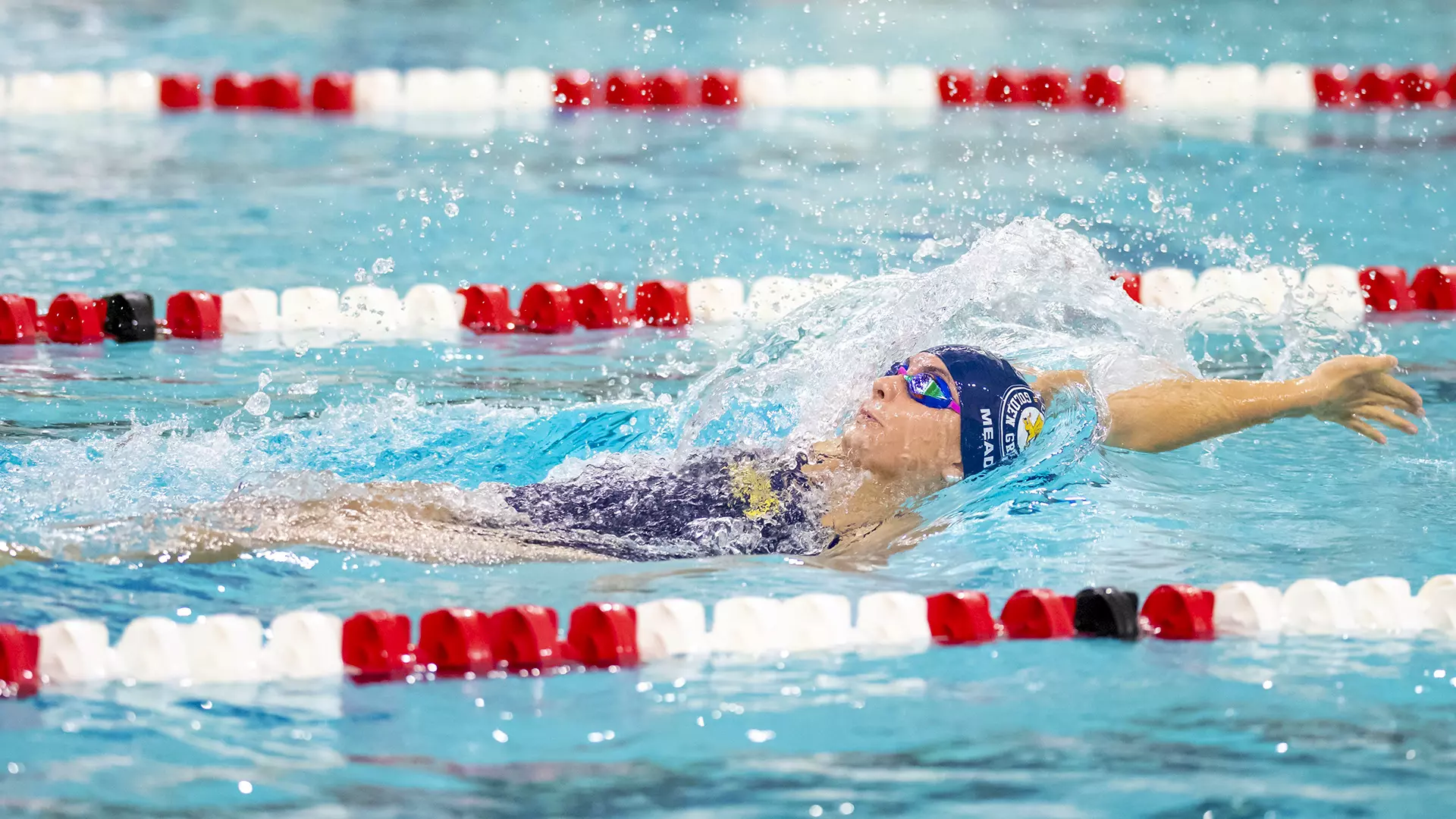
By Daphne Mead, Division 1 Swimmer
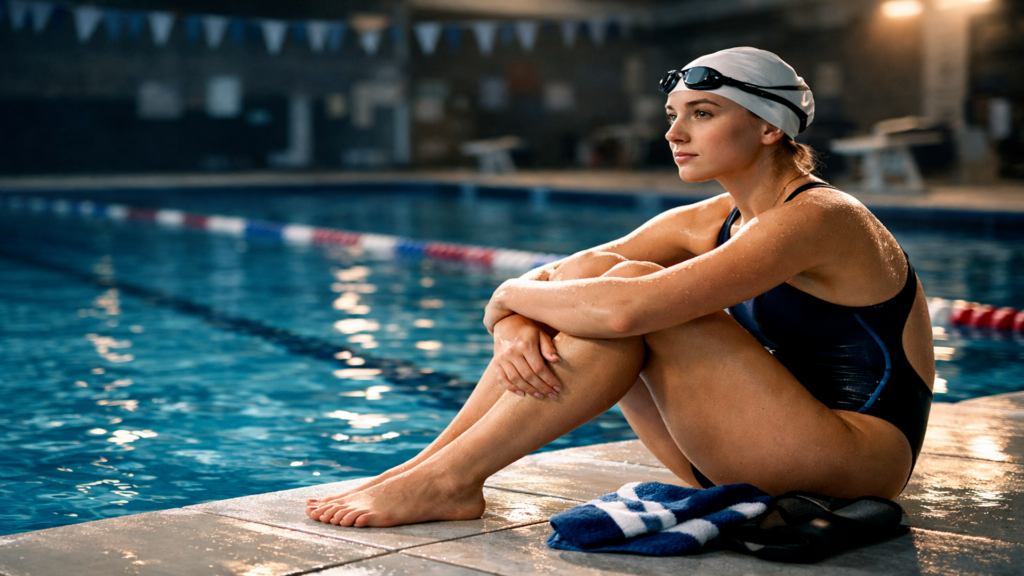
The life of a student-athlete is a constant balancing act. Between early morning practices, long days of classes, workouts, team meetings, travel, and the pressure to perform at a high level, it can feel like there’s barely any time to breathe. On top of that, there’s the mental side of everything—the expectations from coaches, teammates, and even yourself. Over time, all of this can really start to add up and take a toll. That’s why finding simple ways to reduce stress for college athletes isn’t just helpful—it’s honestly necessary if you want to stay healthy, focused, and still enjoy what you’re doing.
As a Division 1 swimmer at Canisius University, I’ve experienced this firsthand. I’ve gone through the burnout, the constant pressure to improve, and that feeling of always racing against the clock—not just in the pool, but in everyday life. There were times when it felt overwhelming trying to keep everything together. But through that, I’ve learned strategies that actually helped me manage stress in a realistic way. In this guide, I’m sharing the exact things that helped me take back control of my mental health while still staying committed to my sport, and how to reduce stress for college athletes.
Table of Contents
- The Reality of Athlete Stress: More Than Just “Nerves”
- Daphne’s Story: Beyond the Scoreboard
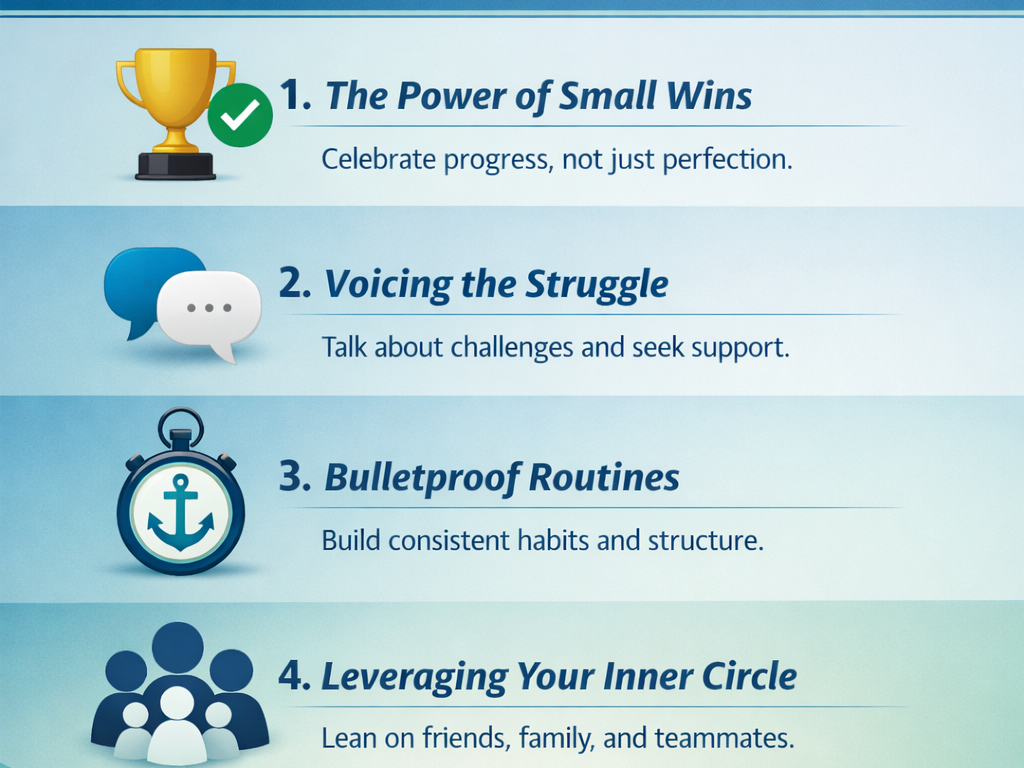
- Strategy 1: The Power of “Small Wins”
- Strategy 2: Voicing the Struggle
- Strategy 3: Building Bulletproof Routines
- Strategy 4: Leveraging Your Inner Circle
- Advice to My Freshman Self: Trust the Process
- FAQs: Managing College Athlete Stress
The Reality of Athlete Stress: More Than Just “Nerves”
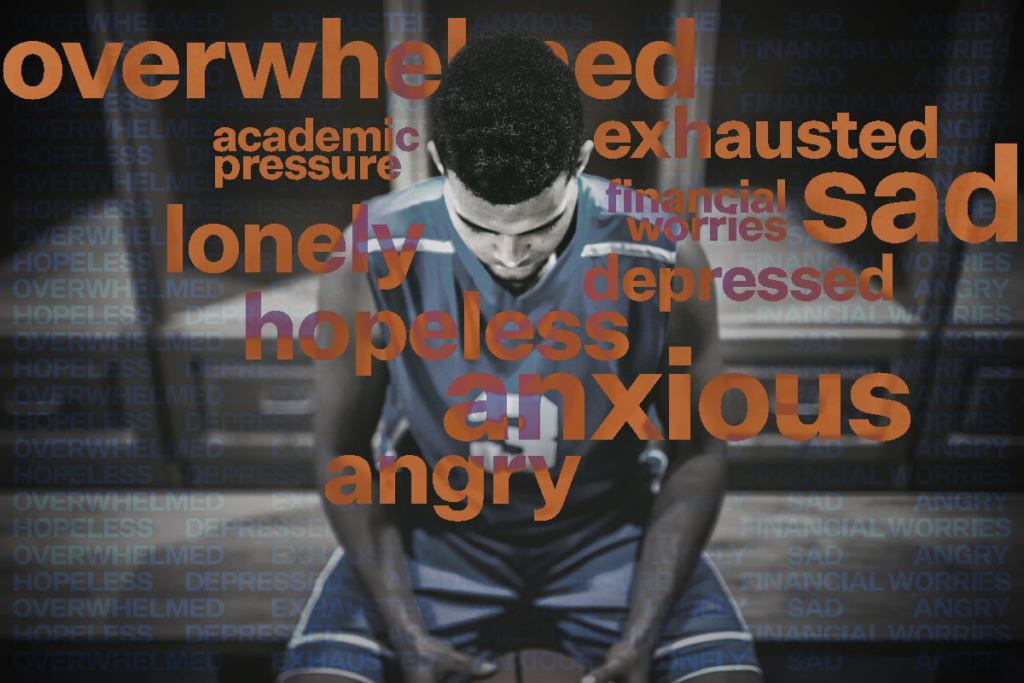
According to recent NCAA data, approximately 35% of female student-athletes and 25% of male student-athletes report feeling mentally exhausted [1]. This shows that stress and burnout are not just individual struggles—they’re something a large number of athletes are dealing with every day. The stressors aren’t just physical either; they come from a combination of intense performance expectations, demanding schoolwork, time pressure, and even questions about identity outside of your sport.
Over time, this constant pressure can build up and lead to burnout, anxiety, or feeling disconnected from the sport you once loved. That’s why understanding the long-term impact of untreated mental health in student athletes is so important. If it’s ignored, it can affect not only performance, but also overall well-being and motivation. Recognizing that your stress is valid—and that so many other athletes are going through the same thing—is a huge first step. It helps take away that feeling of being alone and makes it easier to start finding real, sustainable ways to manage it to reduce stress for college athletes.
| Stressor Category | Impact on Performance | Common Symptom |
|---|---|---|
| Performance Anxiety | Decreased focus, “choking” | Rapid heartbeat, fear of failure |
| Overtraining/Burnout | Chronic fatigue, injury risk | Loss of motivation, mood swings |
| Academic Pressure | Mental drain, sleep loss | Overwhelmed feeling, procrastination |
Daphne’s Story: Beyond the Scoreboard
Swimming is a uniquely mental sport. You are often racing against a ghost—your own best time. “You are constantly comparing yourself to yourself,” I realized during my toughest D1 seasons. It’s easy to let your self-worth be decided by a number on a clock. But the breakthrough came when I finally understood: I am more than a time. A scoreboard doesn’t define my value as a human being. This shift is the foundation of all stress management. And I want to help others and help reduce stress for college athletes all over.
Strategy 1: The Power of “Small Wins”
When the big goals feel out of reach, focus on the micro. I started looking for one thing to be happy about every single day—even if it was just hitting a specific turn correctly or finishing a tough set. These “small wins” make the grind enjoyable again. They remind you that progress is happening, even when it’s not a personal best. For those days when the grind feels like too much, consider the benefits of taking a mental health day to reset and recover.
“Small wins matter because they build the momentum that large victories eventually ride on.”
Strategy 2: Voicing the Struggle
Athletes are taught to be “tough,” but true toughness is knowing when to ask for help. I found that talking to my coaches and teammates about my worries made them lose their power over me. Voicing your stress out loud often makes you realize your problems aren’t as insurmountable as they feel in your head. You’ll be surprised how many of your teammates are feeling the exact same way.
Strategy 3: Building Bulletproof Routines
Stress thrives on uncertainty. To combat this, I developed a strict pre-meet routine: specific stretching, a curated music playlist, and a familiar warmup. This routine acts as an anchor, signaling to my brain that “we’ve done this before, and we are safe.” Beyond mental routines, your physical fuel is just as important; check out this guide to better nutrition for student-athletes to ensure your body is built to perform under pressure. Having this familiarity and “safe space” during a stressful environment is key to help reduce stress for college athletes, no matter the sport.
Recommended Routine Elements:
- Breathwork: 5 minutes of box breathing to lower cortisol levels.
- Auditory Anchors: A specific song that triggers a “flow state.”
- Physical Grounding: A consistent stretching sequence to connect with your body.
Strategy 4: Leveraging Your Inner Circle
My support system was my secret weapon. Having two sisters who were also college swimmers meant I had people who “got it” without me having to explain. Whether it’s family, a sports psychologist, or a mentor, you need a space where you are not “The Athlete,” but just yourself. This separation is vital for long-term mental wellness.
Advice to My Freshman Self: Trust the Process
If I could go back, I’d tell myself to stop worrying about the future and stay present in every little moment. I missed out on so much fun because I was too busy stressing about the next meet or the next season. Trust the process, trust your training, and most importantly—have fun. You only get to be a college athlete once. Writing this to reduce stress for college athletes is my main goal but also help younger kids who want to continue their sports in college like I did.
FAQs: Simple Ways to Reduce Stress for College Athletes
What is the most effective simple way to reduce stress for college athletes?
How can I manage stress when I’m not performing well?
Do pre-game routines actually help with stress?
How do I balance academics and sports without burning out?
References:
[1] NCAA (2023). Student-Athletes Report Fewer Mental Health Concerns.
[2] Association for Applied Sport Psychology (2024). Self-Care and Wellness for Student-Athletes.
Authored by Daphne Mead, D1 Swimmer.