- Why Wellness Matters More Than Ever
- The Mind-Body Connection: Where to Begin
- How to Build a Simple Morning Wellness Routine
- Best Practices to Stay Consistent
- Common Mistakes to Avoid on Your Wellness Journey
- Helpful Tools and Resources to Keep You on Track
- Conclusion
Have you ever felt like your life needs a little reset? Maybe you’re tired, stressed, or just not feeling your best. I’ve been there, too. I want to share something with you that changed my life—starting a wellness journey. It doesn’t have to be complicated, and you don’t need fancy equipment or a strict diet. You need small steps, a little patience, and a bit of heart.
In this post, I’ll show you how to start with simple habits to help you feel better, move more, and live healthier. Let’s take that first step together!
Why Wellness Matters More Than Ever
Our lives are busy. We’re working, running errands, caring for others, and sometimes forgetting to care for ourselves. But when we ignore our health, everything else becomes more arduous.
Wellness is more than just working out or eating veggies. It’s about feeling good inside and out. It helps you sleep better, stay focused, and have more energy for the things you love. And in times of stress or uncertainty, wellness can help you feel calm and strong.
When you take care of yourself, you’re not being selfish; you’re smart.
The Mind-Body Connection: Where to Begin
Your body and mind work as a team. If one feels off, the other does, too. That’s why a good wellness journey includes your body and brain.
Start by asking yourself:
- How am I feeling today?
- What does my body need right now?
- What thoughts are making me feel stressed or tired?


Simple activities like deep breathing, journaling, or walking outside can help your mind and body relax. Even stretching for five minutes can make a big difference.
When you treat your body kindly, your mind will also thank you.
How to Build a Simple Morning Wellness Routine
Mornings can set the tone for your whole day. You don’t need a long list of tasks, just a few simple habits to help you feel good and focused.
Here’s a routine you can try:
- Wake up 15 minutes earlier – Give yourself a calm start.
- Drink a glass of water – Your body needs it after sleep.
- Stretch or move a little – Get your blood flowing.
- Breathe or meditate – Even one minute can help clear your head.
- Set one goal for the day – Keep it small and positive.
You can always change it to fit your lifestyle. The goal is to take care of yourself before the busy day begins.
Best Practices to Stay Consistent
Starting something new is exciting, but staying on track can be challenging. The key? Make it easy and make it fun.
Here are a few tips that worked for me:
- Keep it small – Start with one habit at a time.
- Make it visual – Use a calendar or habit tracker to mark your progress.
- Celebrate small wins – Did you drink more water today? That’s a win!
- Have a buddy – A friend or family member can help keep you going.
Based on my personal experience, I have been exercising regularly for several years. I go to the gym four times a week and occasionally do cycling as a more functional exercise. Daily and consistent exercise has a significant impact on quality of life. Especially when it becomes a regular and permanent part of your routine, its positive effects become evident over time. I still recall, many years ago, during my early days at the gym, when an experienced person shared with me something I’d never forget training and exercise are like drops of water.
When they repeatedly fall on a stone slab day after day, they eventually wear a hole in it. That image stuck with me. It reminded me that to achieve the best results from wellness practices like exercise, we need to stay consistent.
And remember, missing a day doesn’t mean you failed. Just start again the next day.
Common Mistakes to Avoid on Your Wellness Journey
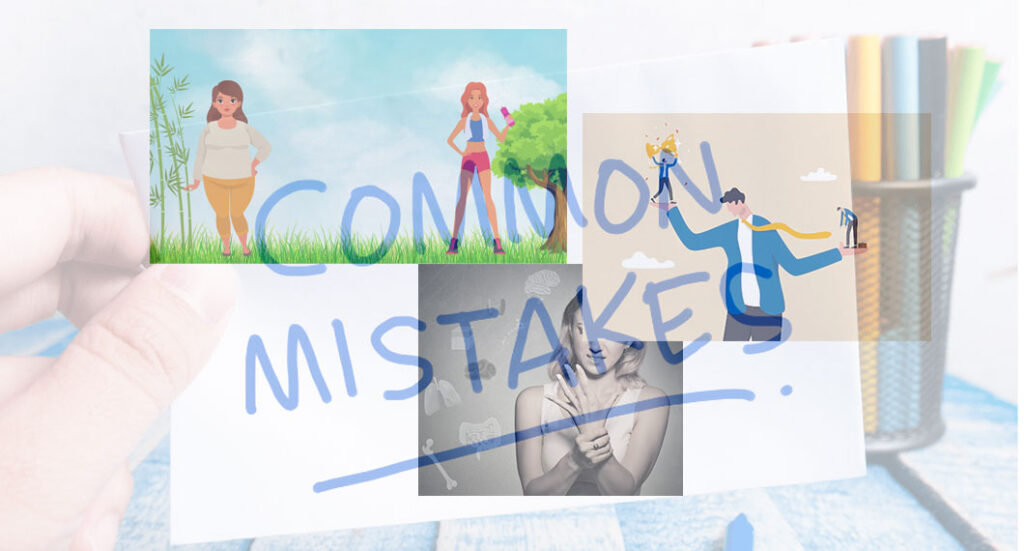
We all make mistakes, but knowing what to watch out for can help you stay on track.
Here are a few common ones:
- Doing too much too fast – Trying to change everything overnight can be overwhelming.
- Being too hard on yourself – You don’t have to be perfect. Progress is the goal.
- Comparing yourself to others – Your journey is unique to you. Don’t let social media dictate how you feel.
- Skipping rest – Your body needs time to recover. Rest is also part of wellness.
Give yourself grace. You’re learning and growing—and that’s amazing.
Helpful Tools and Resources to Keep You on Track
1. Wellness Journey Apps
Using apps on your phone or tablet can help you keep track of your habits in a simple and organized way. For example:
- MyFitnessPal allows you to log your meals, track calories, and view your progress over time.
- Headspace or Calm offers guided meditations and breathing exercises to help you manage stress and improve your sleep.
- Habitica makes habit-building feel like a game—you can create to-do lists, earn points, and stay motivated in a fun way.
These apps can send reminders, show progress, and even connect you with others for encouragement.
2. YouTube Wellness Journey Channels
If you’re not ready to join a gym or hire a trainer, don’t worry, YouTube has got you covered! There are thousands of free videos available for you to follow along at home. You’ll find:
- Home workouts for all fitness levels (from beginner to advanced)
- Yoga and stretching routines to relax your body and mind
- Mindfulness and breathing exercises to reduce anxiety and improve focus
Popular channels like Yoga with Adriene, FitnessBlender, and The Fitness Marshall are great places to start.
3. Printable Trackers
Sometimes, writing things down can be a powerful motivator. Printable trackers are simple tools you can hang on your wall, put on the fridge, or keep in your journal. These could include:
- Water intake charts
- Exercise calendars
- Mood or sleep logs
- Daily habit checklists
Marking off each day gives you a sense of accomplishment and helps you visually see your progress in your wellness journey Channels.
4. Podcasts and Books in the Wellness Journey
A wellness journey isn’t just about moving your body—it’s also about growing your mind. Listening to podcasts or reading books can give you new ideas, encouragement, and stories that motivate you.
Some helpful wellness journey-focused podcasts include:
- The Mindset Mentor – great for building mental strength
- Feel Better, Live More – hosted by a doctor with real health advice
- The Daily Meditation Podcast – short sessions you can listen to on the go
Books like Atomic Habits by James Clear or The Power of Now by Eckhart Tolle can help shift your thinking and create lasting change.
5. Real-Life Support Systems
Remember that your relationships are some of the most powerful tools on your journey. Having someone to talk to, walk with, or cheer you on can make a big difference.
You might:
- Ask a friend or family member to be your wellness buddy
- Join a local walking or fitness group in your neighborhood
- Connect with others online through wellness communities or forums
Conclusion
Starting a wellness journey doesn’t mean changing your whole life overnight. It means taking small, kind steps that bring you closer to feeling your best—one day at a time. Remember, you don’t have to be perfect. You have to start.
So, today, take a deep breath, drink a glass of water, or go for a short walk. That one small act is a decisive first step toward lifelong health.
You’ve got this—and I’ll be cheering you on every step of the way.