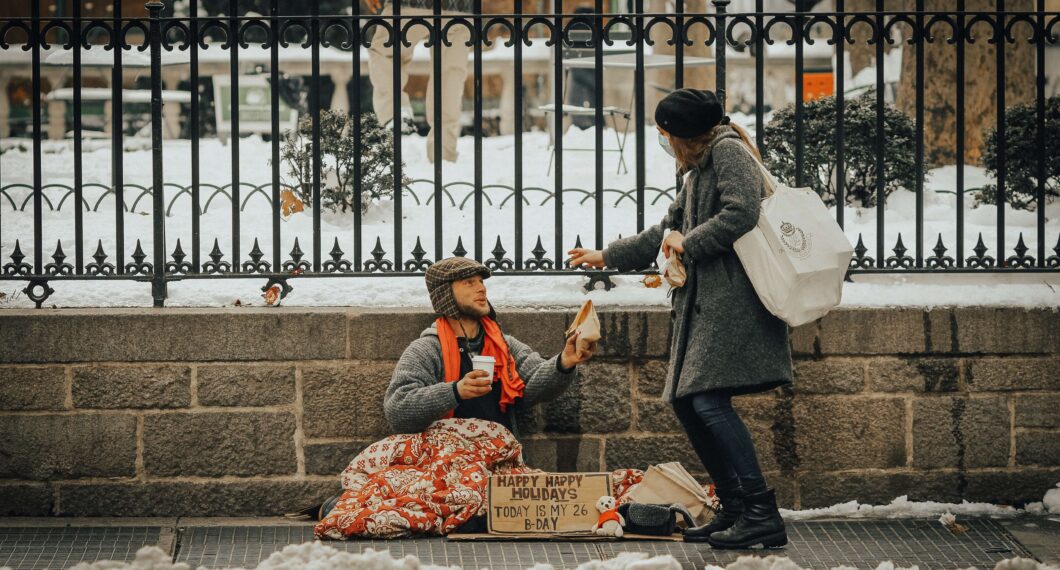
Imagine not having a safe place to sleep at the end of the night or not knowing where your next meal will come from. For many teens, this is a reality. You might think it only happens to other people, but teen homelessness is a problem right here in our communities. According to the National Conference of State Legislatures, more than 4.2 million youths experience homelessness. By reading this article, you can help understand why it’s important to end homelessness among teens.
- Understanding the Warning Signs: Is a Teen at Risk?
- Building Bridges: How Communities Can Step Up to Help with Teen Homelessness
- Mental Health First: Healing the Invisible Wounds of Homeless Teens
- Education and Empowerment: Breaking the Cycle of Teen Homelessness
- You Can Make a Difference: Taking Action Today to Prevent Teen Homelessness

Understanding the Warning Signs: Is a Teen at Risk?
Many teens show warning signs, read this to understand how to understand them. Let’s define homelessness first, according to Schoolhouse Connection it is
“a person who lacks a fixed, regular, and adequate nighttime residence.”
- Changes in Behavior: Have you ever noticed your friend or classmate acting differently? Personally, when I was in middle school, one of my closest friends started missing school. At first, I didn’t understand and thought she didn’t enjoy learning, as this was unusual behavior for her. Later, I found out that she was going through problems at home.
- Family Conflict: Sometimes, families have big problems. Arguments, abuse, or neglect can make a teen feel like they have nowhere to go.
- School Struggles: When schoolwork drops, or a teen stops caring about their grades, this could be a sign of trouble. If you notice a friend not attending classes or see they are struggling in the class, supporting them and talking with them can go a long way.
Building Bridges: How Communities Can Step Up to Help with Teen Homelessness
We can all play a part in helping teens stay safe.
- Creating Supportive Environments: Imagine a place where teens can go to feel safe and get help. Schools, libraries, and community centers can become these safe spaces. If you see a friend struggling, the most important thing is to be there for them. When my friend told me she was going through a rough time, I created a safe environment for her where she was able to come over to my house and spend nights when she had nowhere else to go.
- Mentorship Matters: Sometimes, a teen just needs someone to talk to. Mentors can be older friends or adults who listen and offer advice. You can be that person! When teens have someone by their side they will be more than willing to open up and look for ways to build a stable future.
- Resource Hubs: Every community should have a place where teens can find help. This hub can have information about shelters, food banks, and counseling services. To make this easier for teens to find putting up flyers in schools, putting up ads online are essential.

Mental Health First: Healing the Invisible Wounds of Homeless Teens
Being homeless is hard on a teen’s mind.
- Trauma’s Impact: Many homeless teens have experienced trauma. This can make it hard for them to trust people or feel safe. We need to understand their pain and show them kindness. If you notice any classmates struggling, checking in with them can make a difference.
- Access to Counseling: Talking to a counselor can help teens heal. School counselors are a great resource, but not many know they are available. At my school, we have counselors easily accessible, even on weekends. So, making help more reliable and easier to access can decrease the number of homeless teens by providing them with the emotional support they need to navigate challenging situations.
- Building Resilience: We can teach teens skills to cope with stress and build their confidence. This helps them become strong and able to face challenges. Some skills can include practicing mindfulness, taking deep breaths when things get tough, and positive self-talk.
Education and Empowerment: Breaking the Cycle of Teen Homelessness
Education is key to a better future.
- Staying in School: School is more than just learning. It’s a place where teens can find friends and support. We need to make sure they have the resources they need to stay in school.
- Job Skills Training: Learning job skills can help teens become independent. We can offer training programs that teach them how to write a resume, interview for a job, and manage their money.
- Financial Literacy: Learning how to budget and save money is important for everyone. Providing education on financial literacy can help prevent future homelessness.

You Can Make a Difference: Taking Action Today to Prevent Teen Homelessness
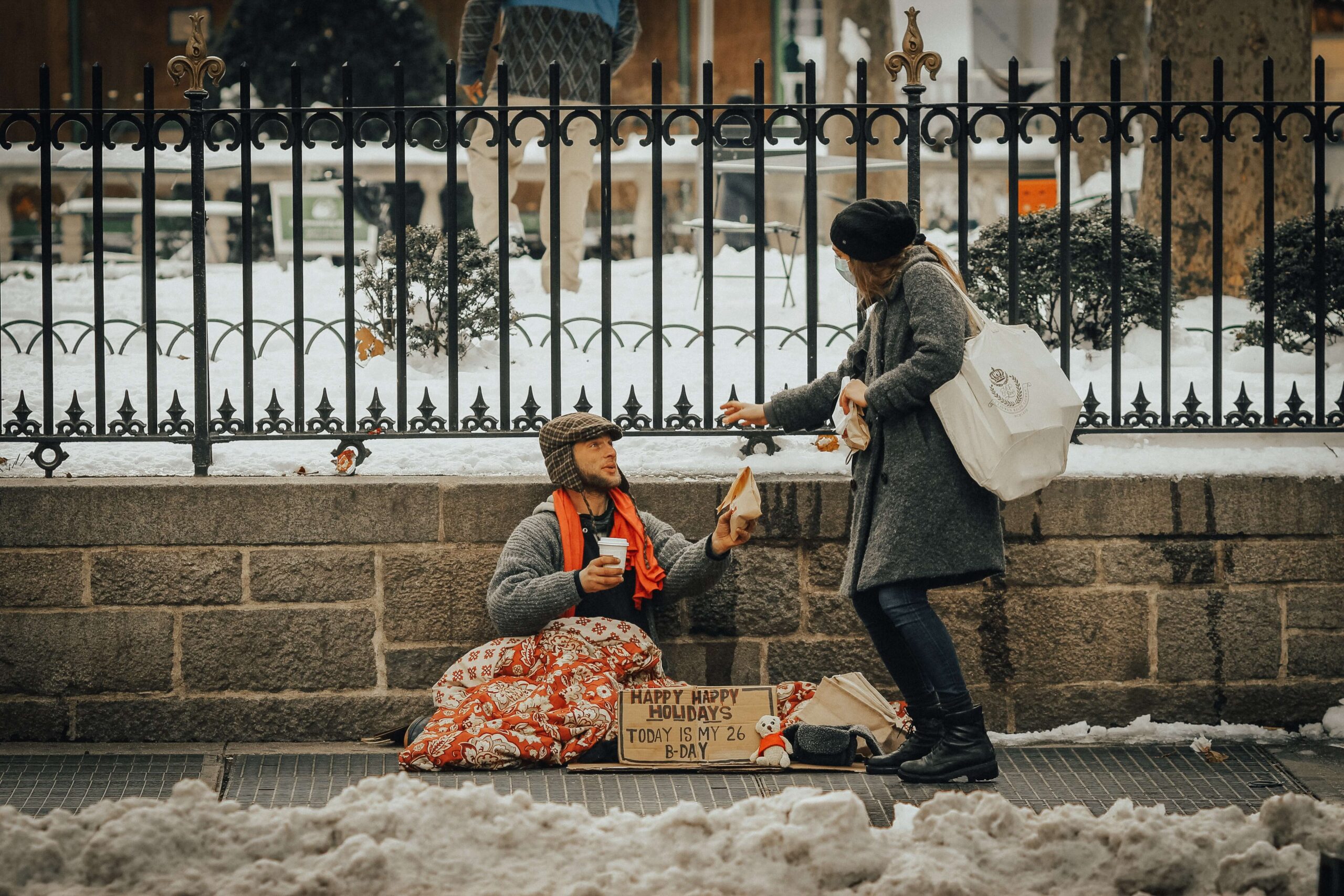
- Volunteering Your Time: Volunteer at a local shelter or community center. You can help serve meals, tutor teens that need help with their homework, or organize events like a sporting event, small community concerts, or even a help desk at your local school
- Donating to Local Organizations: supporting the Cause, even a small donation like food or any old clothing can make a big difference. Support organizations that help homeless teens.
- Spreading Awareness: Utilizing social media is a great way to share information within your community. Whether that’s sharing about different clinics, counselors, or donations.
We have the power to solve teen homelessness, together. By recognizing the early signs, forging supportive community bonds, and equipping teens with education and essential resources, we can pave the way for their safety and a brighter future. Your actions matter. Let’s unite to build a society where no teen faces the crushing weight of homelessness. Every conversation, every donation, every act of kindness contributes to a future where young people thrive, not just survive. It’s about more than shelter; it’s about fostering hope, stability, and a sense of belonging. Let’s create a world where every teen can reach their full potential, free from the fear of life on the streets. We can make this happen!