- Ditch the Burnout: Reclaim Your Joy in Fitness
- Here is an example workout routine split, AKA my current routine:
- Conquer Gym Anxiety & How to Build Your Own Workout Routine (Conquer the Gym AND Your Anxiety)
- Unlock Your Hidden Strength: The Mind-Muscle Connection You’re Missing
- Beyond Stretching: Transform Your Workouts with These Stretches
- Build a Strong Core: More Than Just Abs!
- Your Body, Your Rules: The Personalized Workout Plan That Adapts to Your Life
Hey friend! You know that feeling when you really want to start working out, but you just don’t know where to begin or what to do? Or maybe you’ve tried to go to the gym but have no idea what you’re doing and feel like the whole gym is judging you? Well, today, we’re going to change that.
Don’t worry, by the end of this, you’ll be confident about how to make your own workout routine tailored to you.

Trust me, I’ve been there too. I started off working out in my room, trying out various ab challenges or crazy intense workouts; however, I could NEVER stick to them. I’ve always felt like the workout was completely out of my skill set and just plain overwhelming, OR it just didn’t feel right, and muscles that weren’t supposed to be used WERE BEING USED. Crazy right? Working out shouldn’t feel like that, especially when exercising is all about improving your mental and physical health.
Ditch the Burnout: Reclaim Your Joy in Fitness
Sometimes, those YouTube workout videos get boring, and that’s understandable. Performing the same workout and hearing the same annoying countdown timer can be quite irritating. Today, I am here to help you build your own workout routine that isn’t boring and will keep you in line with your goals!
First off, let’s talk about a workout split. A workout split essentially organizes your routine by muscle groups or regions of your body. I will be reviewing a 5-day workout split that consists of the following:
- Back and Bicep (also known as Pull Day)
- Glutes and Hamstrings
- Shoulders, Chest, and Tricep (also known as Push Day)
- Quads (Quadriceps)
- Core and Abs
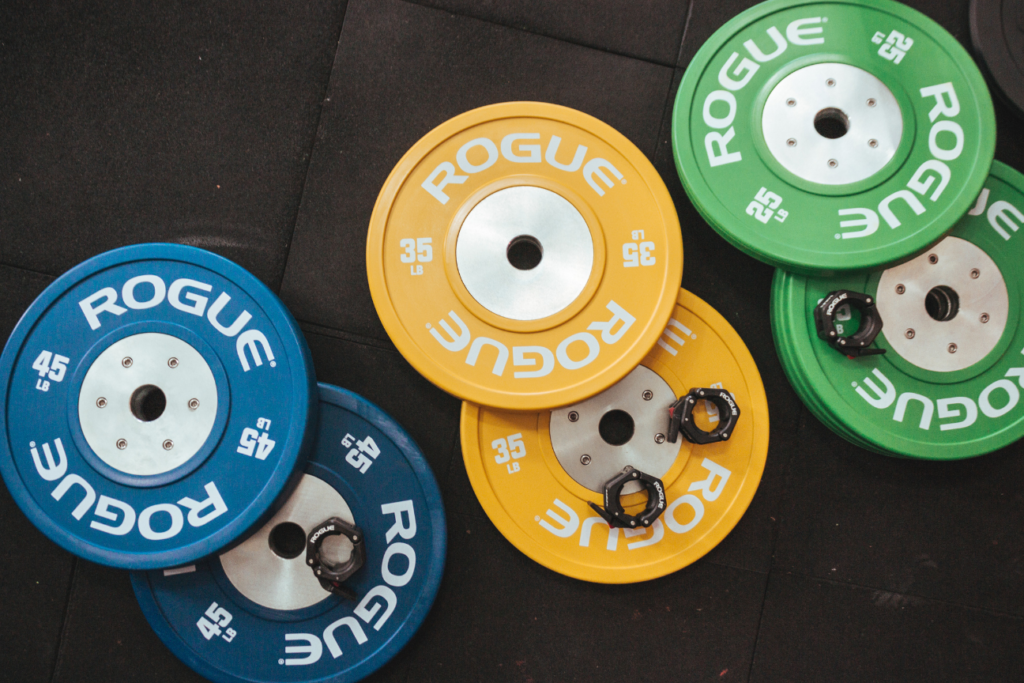
This is a workout routinee split that I have been personally following for about 4 years now. It helps me focus on specific muscle groups each day and reduces workout burnout that stems from boring and repetitive routines. My workout routine consists of 4 to 6 workouts per day, with 3 to 4 sets per exercise and 8-12 reps per set (a set is a group of repetitions of an exercise, and a rep is a repetition of that single exercise). When starting, it is recommended to begin with high-rep, low-weight workouts; therefore, beginning with three sets of 10-15 reps per exercise is a great starting place!
Now, what you have all been waiting for, let’s get into the actual exercises. This list will include exercises labeled with each muscle group. The workouts listed also work other muscles, not just the primary muscle listed (Read more here about the difference between primary and secondary muscles)! I also try to incorporate 20-30 minutes of cardio 3-4 days a week after my workout.
Let’s get started! I encourage you to select 4-6 exercises for each day of your own workout routine split (alternate lower and upper body days; do not do push and pull days consecutively; allow your upper body time to rest).
Side Note: If you are unsure how to perform the exercise, simply copy and paste the term into Google, and many video/picture demonstrations will appear. If you are nervous about trying these exercises at the gym for the first time, try them first in a mirror at home!
Back and Bicep (Pull Day):
- Back
- Lat Pull Down (Close Grip or Wide Grip)
- Bent Over Rows
- Single Arm Bent Over Row
- Seated Row
- Single Arm Seated Cable Row
- High Face Pulls
- Straight Arm Pull Down
- Reverse Flys (Standing or Sitting)
- Kneeling Single Arm Cable Pulls Downs
- Rear Delt Fly Machine
- Pull Ups (Assisted or Not)
- Seated Wide Rows
- Around the Worlds
- Bicep
- Bicep Curls
- Cable Hammer Curls
- Hammer Curls
- Wide Bicep Curls
- Preacher Curl
- External Rotations
- Cross Body Curls
- Serve the Platter
Glutes and Hamstrings:
- Glutes
- Hip Thrusts
- Glute Bridge
- Bulgarian Split Squat (Hinging at the hips)
- KAS Glute Bridge (Copy and paste into YouTube for a tutorial)
- Glute Dominate Back Extensions (Copy and paste into YouTube for a tutorial)
- Leg Press (High/Wide Stance Foot Placement)
- Glute Medius Cable Kickback
- Step Ups
- Reverse Lunge
- Deficit Reverse Lunge
- Sumo Squat
- Sumo Deadlift
- Hamstrings
- RDL (Romanian Deadlift)
- B-Stance RDL
- Good mornings
- Hamstring Curl (Seated, Lying down, or Gym Ball)
- Kettle Bell Swing
- Single Leg Deadlifts
Shoulders, Chest, and Triceps (Push Day):
- Shoulders
- Shoulder Press
- High Face Pulls
- Incline Single Arm Lateral Raise
- Alternating Front Raise (Standing or Sitting)
- Lateral Raises (Standing or Sitting)
- Upright Rows
- Cable Front Raises
- Skullcrushers
- Chest
- Neutral Grip Dumbbell Chest Press
- Close Grip Dumbbell Chest Press
- Barbell Bench Press
- Chest Fly Machine
- Dumbbell Flys
- Dumbbell Pullover
- Incline Dumbbell Bench Press
- Standing Cable Fly
- Push Up
- Cable Chest Press
- Tricep
- Tricep Extension
- Tricep Kickbacks
- Overhead Tricep Extension
- Cable Tricep Pushdown
- Tricep Dips
- Overhead Dumbbell Extension
Quads (Quadriceps):
- Quads
- Leg Press (Low/Narrow foot stance placement)
- Squat
- Bulgarian Split Squat (Keeping back straight)
- Single Leg Press (Low stance foot placement)
- Step Ups
- Front Lunge
- Leg Extension
- Calf Raises
- Deadlift
- Elevated Heel Squats
- Side Lunge
- Walking Lunges
Core and Abs:
- Knee Drives (With or Without Weight)
- Plank
- Side Plank
- Slowed Down Mountain Climbers
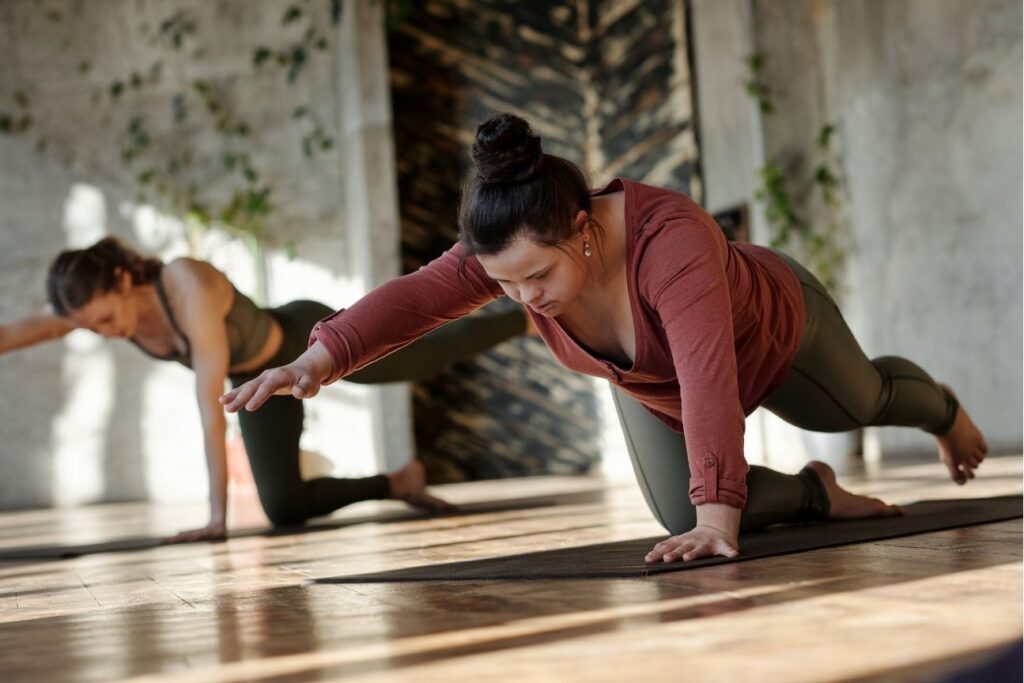
- Bird Dog
- Reverse Plank
- Nordic Curls
- Bear Plank Pull Through
- Toe Taps
- Kettle Bell/Dumbbell Over Head Marches
- Russian Twists
- Bicycle Crunches
- Scissor Kicks
- Side to Side Leg Raises
- Dead Bugs
- V-Ups
- Leg Raises
- Alternating Leg Raises
As time goes by, you’ll learn what exercises you enjoy the best and which ones you do not.
Don’t forget to keep progressive overload in mind. Avoid switching your workouts every week; instead, try to maintain the same workouts while increasing weight for 1 to 2 months before changing if you need a change in pace (progressive overload).
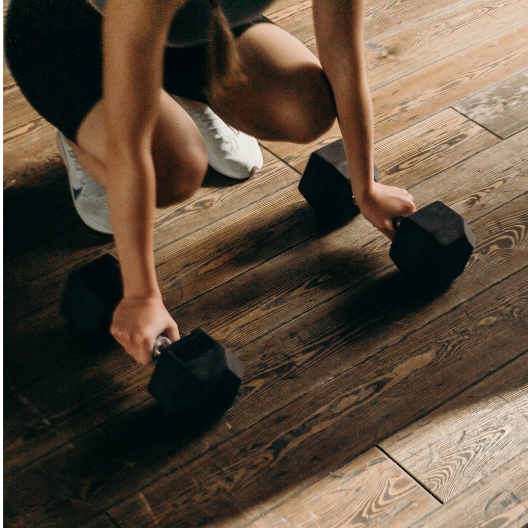
Here is an example workout routine split, AKA my current routine:
Back and Bicep:
- Lat Pull Down
- Bent Over Rows
- Rear Delt Fly Machine
- Seated Row
- Wide Bicep Curls
- Hammer Curls
Glutes and Hamstrings:
- Hip Thrusts
- RDL
- Single Leg Deadlift
- Deficit Reverse Lunge
- Glute Dominate Back Extension
Shoulders, Chest, and Triceps:
- Shoulder Press
- Alternating Front Raise
- Upright Rows
- Chest Fly Machine
- Cable Tricep Pushdown
- Overhead Dumbell Extension
Quads:
- Narrow Stance Leg Press
- Walking Lunges
- Leg Extensions
- Calf Raises
Core/Abs:
- Dumbbell Overhead Marches
- Knee Drives with Weight
- Side Plank
- Alternating Leg Raises
- Slowed Down Mountain Climbers
Conquer Gym Anxiety & How to Build Your Own Workout Routine (Conquer the Gym AND Your Anxiety)
The gym can be quite intimidating. All those machines and all those people who seem to know exactly what they’re doing. But here’s the thing: no one truly knows what they’re doing; they’re just faking it till they make it. Everyone starts somewhere. And here’s a little secret: no one is actually watching you; they’re all too busy focusing on their own workout.

When you first start going to the gym, don’t worry about approaching the machines; instead, hop on the treadmill and scope out the scenery. Look around the gym and see where the machines, bathrooms/lockers, cool-down room, and free weights are. Take a look at what machines other gym-goers are using and how they’re using them. You can learn a lot just by observing others. Start noting down the machines that you want to try and where they are.
I always have anxiety whenever I sign up for a new gym; the treadmill approach, alongside blasting my favorite tunes in my headphones, gets me pumped to work out!
But real talk, don’t let the gym stop you from accomplishing your goals and attaining your dream body. Once you get started and comfortable in the gym, you’ll wonder why you were even anxious or intimidated in the first place. Knowing how to make your OWN workout routine will also increase your confidence in the gym.
Once you are comfortable in the gym, say that you go at one of the busiest times of the day… 6 pm. Instead of walking in and immediately walking back out or heading to the treadmill, find yourself a corner or a small space to work out. Creating a safe space for yourself when the gym is packed with others is a way to get that workout in and stay disciplined. That little corner will be your sanctuary, and you can stay there until you finish your entire workout routine. Grab a few weights and get to work!
Pro tip: having a favorite playlist or album will make the gym scaries become gym happies! 🙂
Unlock Your Hidden Strength: The Mind-Muscle Connection You’re Missing
Now that we’ve made your own workout routine, we need to go over a few topics that most beginners are not taught. Let’s start with mind-muscle conneciton. It’s about engaging the muscles you’re using and resisting the desire to just go through the motions. Practicing slowed and controlled movements is likely a statement you’ve heard gymfluencers mention; this is the mind-muscle connection.
Mind-Muscle Connection: a psychological aspect of training in which you focus on feeling each and every rep and recruiting specific muscles. It is about more than just going through the motions of each movement, but rather, focusing on a conscious and deliberate muscular contraction (BodyLogix).

A Mind-Muscle Connection Example:
When I first started working out, I felt that as long as I did my reps, I was working out efficiently. Would you believe I was wrong? I didn’t know about the mind-muscle connection and was missing out on major muscle gains.
Hip Thrusts were the first workout that I practiced mind-muscle connection. When you are hip thrusting, there are many parts to focus on: foot placement, back placement, hand placements, and glute contractions. Hip thrusts already burn your glutes in a way that no other workout does, but imagine if you can get even more out of these sacred hip thrusts. During your hip thrusts, think about slowly squeezing your glutes as you come to the top of the motion: this is the mind-muscle connection. Slow. And. Controlled. Movements. Y’all. No matter what workout you’re doing.
The mind-muscle connection is about working out intentionally throughout your workout routine. Slow and steady really does win the race, and helps build muscle too!
Beyond Stretching: Transform Your Workouts with These Stretches
Quickly, I want to go over the difference between dynamic and static stretches. Dynamic stretches are the ones to do before your workout routine, and static stretches are the ones to do after your workout routine.
Dynamic stretching will help you prevent injuries by warming up your muscles, joints, and those smaller muscles that we don’t always think about. Dynamic stretching is about moving your body through a full range of motions in a controlled manner. Herlong Sports explains the benefits of dynamic stretching, “It helps increase blood flow, activate muscles, and improve joint mobility, preparing the body for the demands of physical activity.”
Static stretching is holding in a stretched position. Static stretches help lengthen your muscles and improve your flexibility by stretching beyond the normal range of motion. Herlong Sports also reviews the benefits of static stretching, “It helps to relax muscles, reduce muscle tension, and improve flexibility, making it an ideal choice for post-exercise recovery.”
Refusing to do my dynamic and static stretches has left me regretting my life decisions. I can’t tell you the number of times that I have forgotten to do my static stretches after an intense leg day and woke up extremely sore. So don’t be like me. Take 5 minutes before and after your own workout routine to treat your muscles and joints the way you would want to be treated. Be sure to add these stretches in when you are making your own workout routine.

Build a Strong Core: More Than Just Abs!
Most people think of abs as just having a six-pack, but your core is so much more than that. Healthline explains your core as, “Your core is made up of more than your abdominal muscles, or abs. The muscles on the front side of your lower trunk (core) are just one side of the box-shaped core.”. The muscle groups of the core include abdominals, obliques, back, pelvic, floor, spin, glutes, and diaphragm (Healthline).
Your abs are just four abdominal muscles that are part of your core. Having a strong core helps you balance, stabilize your lower back, and support better exercise form. Think of your core as the center of your power. Without a strong core, you are left imbalanced and at risk for unnecessary pain. It is vital to incorporate core exercises when learning how to make your own workout routine.
Here’s a tip to know the difference between core and ab workouts: when working out abs, your spine is creating motion in some shape; when working out core, you are keeping the spine still and resisting motion.
Your Body, Your Rules: The Personalized Workout Plan That Adapts to Your Life
The best part about building your own workout routine is that it’s yours. You get to decide what you do and when you do it. Your body is unique, so your workout should be too.
Don’t compare yourself to anyone else or the level that they’re at. You’re on your own journey. And remember, it’s okay to start small and work your way up. Comparison is the thief of joy, so don’t allow your joy to be stolen because you’re workouts or goals are different than others.
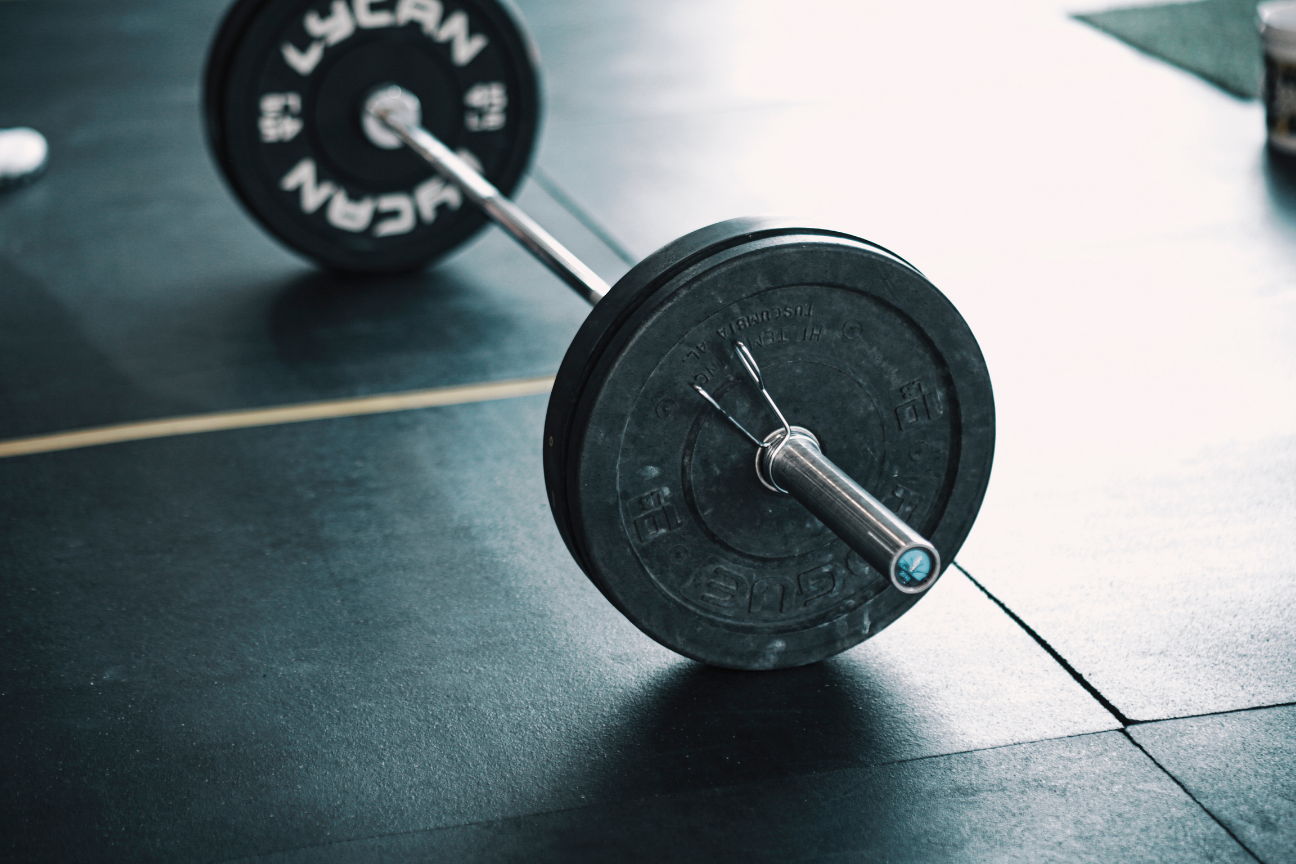
See? Building your dream workout routine isn’t so scary after all! It’s about finding what works for you. It’s about moving your body in a way that feels good. It’s about taking care of yourself. And remember, you’re not alone. We’re all in this together. So, go out there and build your dream routine. You’ll be amazed at how good you feel! You’ve got this!