
Beyond the Sweat: What Is the Benefit of Hot Yoga for Resilience?
Four years ago, I walked into a 105-degree room for a reason that was entirely superficial: I wanted to look like my friends. They were doing it, and they all looked incredibly toned. I wanted the “yoga body,” the “glow,” and the physical markers of fitness. But if you’re asking what is the benefit of hot yoga, I can tell you from experience that the physical transformation is just the beginning.
The Core Answer: Hot yoga offers a unique combination of structural resilience (via vasodilation), metabolic repair (through Heat Shock Proteins), and a neurological reset (via cortisol regulation). Unlike traditional yoga, the heat acts as a biological catalyst that accelerates muscle pliability, detoxifies at a cellular level, and forges mental toughness through intentional stillness.
THE COMPREHENSIVE GUIDE
- Pillar 1: Structural Resilience & The Recovery Story
- Pillar 2: Metabolic Fire & Cellular Longevity
- Pillar 3: The Neurological Reset & Restorative Sleep
- The “Big Three” Poses for Maximum Impact
- Pro Preparation: Hydration & Salt Timing
- Survival Guide: Your First 60 Minutes
- Frequently Asked Questions (FAQ)
The real shift happened somewhere between the sweat-drenched mat and the mirror, in a space where I learned that resilience isn’t something you’re born with—it’s something you knit together, one breath at a time. To truly understand the benefit of hot yoga, we have to look past the “human pretzel” imagery and dive into the actual biological and mental shifts that occur when you step into the heat.
Pillar 1: Structural Resilience & The Recovery Story
The most immediate benefit of hot yoga is the way it interacts with your physical frame. In a cold room, your muscles and connective tissues are like cold plastic—stiff and prone to snapping. In 105-degree heat, they become like warm clay. This isn’t just about becoming flexible; it’s about safe, functional mobility and joint health.
The Science of Vasodilation: Heat stress causes vasodilation, expanding your blood vessels and flooding your tissues with oxygenated blood. This reduces systemic inflammation and speeds up the delivery of nutrients to damaged areas, which is critical for injury recovery.
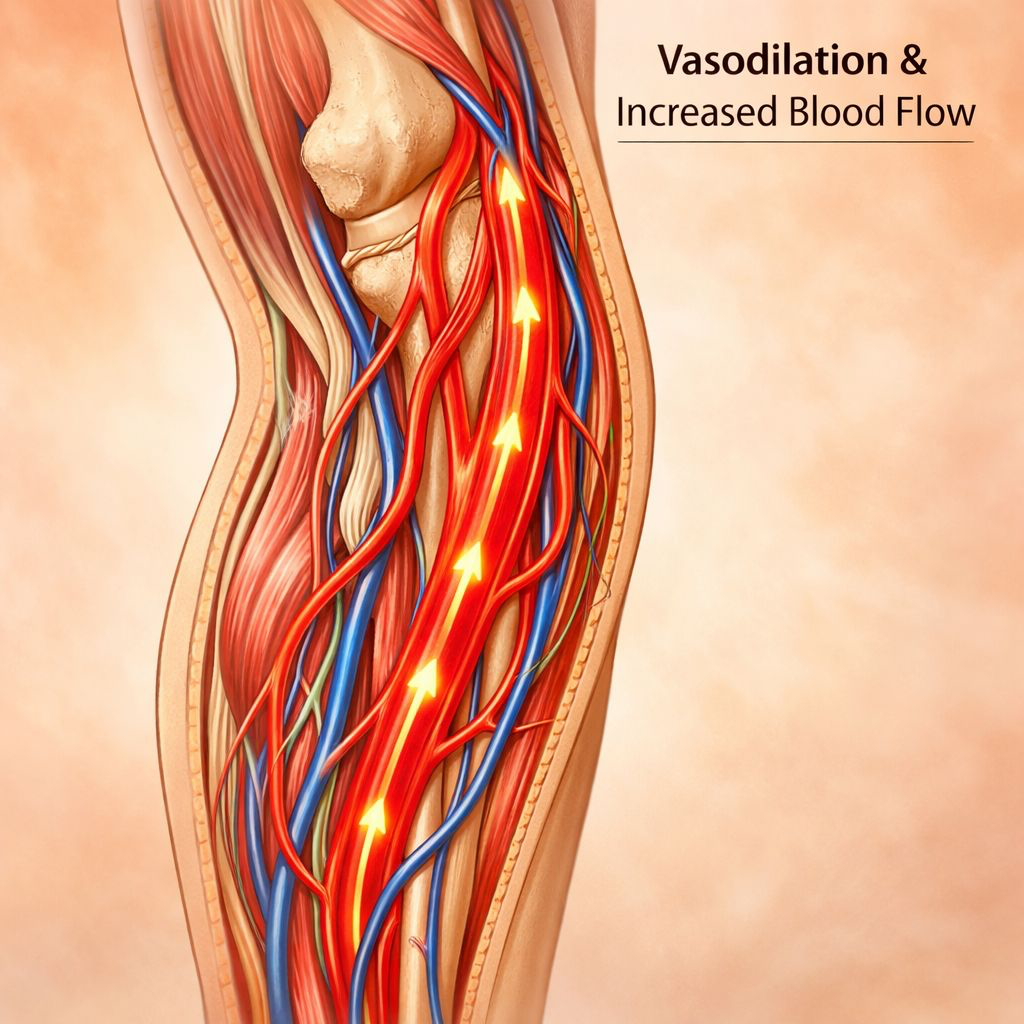
I experienced this firsthand while recovering from a broken back and multiple torn tissues. My body felt betrayed, and my world felt like it was spiraling into chaos. The heat allowed me to move in ways that would have been impossible in any other environment. It was a sanctuary where I could slowly knit my body back together and bring my spirit back into alignment. On that sweaty mat, I reclaimed my agency, proving to myself that while I may have been damaged, I was far from finished.
This benefit also extends to proprioception—your body’s ability to sense its position and movement. The heat adds a layer of challenge that forces you to be more aware of every joint and muscle, leading to better balance and coordination that translates into your daily life. If you’re looking to further strengthen your physical foundation, you can transform your core with these proven exercises that complement the stability you build on the mat.
Pillar 2: Metabolic Fire & Cellular Longevity
Beyond the muscles, hot yoga acts as a “filter” for your internal systems. The intensity of the practice forces a level of awareness that dictates your daily choices. You quickly realize that saying you’re too stiff for yoga is like saying you’re too dirty to take a bath—the heat is the tool that cleanses the system from the inside out.
The Science of Heat Shock Proteins (HSPs): Heat stress triggers the production of Heat Shock Proteins. These molecular chaperones help repair damaged proteins, boost the immune system, and promote cellular longevity. Additionally, studies show that hot yoga can significantly improve glucose tolerance, making it a powerful tool for metabolic health.
This is what turned my practice into a lifestyle. I found that a poor meal or dehydration became a tangible barrier on the mat. I started craving fuel that made me feel light and capable rather than sluggish. It wasn’t about dieting; it was about respecting the machine that had to perform in 105 degrees. Understanding your unique needs is key; check out this nutrition guide for the average joe to help align your eating habits with your practice. By sweating profusely, you’re not just losing water; you’re engaging your body’s most efficient detoxification system, flushing impurities from your skin and circulatory system.
Pillar 3: The Neurological Reset & Restorative Sleep
Perhaps the most profound benefit of hot yoga is its effect on the mind. In the heat, the “noise” of external life finally stops. You are forced to witness your own resilience when the world feels like it’s falling apart. This is where the practice moves from a physical workout to a mental discipline.
The Science of Cortisol Regulation:The intense physical release and deep, controlled breathing (pranayama) act as a powerful reset for the nervous system. Studies have shown that consistent yoga practice can significantly lower cortisol levels, the body’s primary stress hormone. This leads to a calmer mind, reduced anxiety, and a profound improvement in sleep quality.
I used to toss and turn at night, my mind racing with an endless loop of thoughts. After a few months of consistent hot yoga, I began experiencing a level of deep, restorative sleep I hadn’t felt in years. The practice became a non-negotiable part of my mental health toolkit. It taught me that the most advanced move in the room isn’t a handstand; it’s the choice to stay still and breathe when the heat feels overwhelming. That stillness is where the magic happens.
“Hot yoga isn’t about perfecting a pose. It’s about using the heat and the mirror to witness your own body’s resilience when the world and your own body feel like they’re falling apart.”
The “Big Three” Poses for Maximum Impact
Every pose is enhanced by the heat, but these three are where the biological and structural magic really happens:
1. Eagle Pose (Garudasana)

The Focus: Joint flushing. By compressing the major joints and then releasing, you create a “tourniquet effect” that sends a surge of fresh, oxygenated blood into the knees, hips, and shoulders, reducing inflammation.
2. Standing Bow Pulling Pose

The Focus: Spinal health and cardiovascular endurance. This pose opens up the rib cage, stimulates the circulatory system, and builds incredible balance and concentration.
3. Corpse Pose (Savasana)

The Focus: Neurological integration. Lying still on a sweat-drenched mat in a warm room allows your nervous system to fully absorb the benefits of the practice, down-regulating from a “fight-or-flight” state to “rest-and-digest.”
Pro Preparation: Hydration & Salt Timing
Showing up prepared is half the battle. Here’s the insider strategy for a successful class:
The Hydration & Mineral Blueprint
- 24 Hours Before: Your hydration starts the day before. Aim to drink half your body weight in ounces of water throughout the day.
- 2 Hours Before: Finish your last big glass of water. Add a pinch of Himalayan pink salt or a reputable electrolyte powder to help your body retain the fluid.
- During Class: Sip, don’t chug. Small sips are for comfort; your real hydration is already done.
- Post-Class: Rehydrate with another electrolyte-rich drink to replenish the minerals you lost through sweat.
Survival Guide: Your First 60 Minutes
01
Arrive Early & Acclimate: Walk in, find a spot, and lie down. Don’t try to stretch or warm up. Just breathe and let your body get used to the 105-degree air.
02
Pace Yourself & Sit Down: The goal is to stay in the room. If you feel dizzy or overwhelmed, sit down on your mat. There is no shame in stillness. It’s a sign of wisdom, not weakness.
03
Forget the Mirror (For Now): Don’t worry about what you look like. The mirror is a tool for alignment, not judgment. Focus on how the poses *feel* in your body.
04
Survive Savasana: The final resting pose can be the hardest part. Your mind will want to race. Your job is to lie still and let your nervous system absorb the work you just did.
Frequently Asked Questions (FAQ)
Is hot yoga good for weight loss?
Yes, but not just because you sweat. Hot yoga builds lean muscle mass, which boosts your metabolism. More importantly, it rewires your relationship with food and stress, which are often the root causes of weight gain. For a deeper dive, learn how to avoid processed foods to complement your practice.
How often should I do hot yoga?
For transformative results, aim for 3-5 times per week. However, even 1-2 times per week will provide significant mental and physical benefits. Consistency is more important than frequency.
What if I’m not flexible?
This is the most common myth. Saying you’re “not flexible enough” for yoga is like saying you’re “too dirty to take a bath.” The practice is what *builds* flexibility. The heat is a tool that makes this process safer and more efficient. Embrace the heat. Witness your resilience.